

Everyone is writing something today. You know the genre — flags, fireworks, a paragraph about the Founders, a paragraph about how far we’ve fallen, a hopeful line at the end so nobody unsubscribes. I’ve read three of them already and I’ll probably read three more before the sun goes down tonight.
I’m going to write one anyway. Here’s mine.
In New Mexico, where I was raised, we have a word for people like me: Coyote. Half-breed, technically, though nobody says it that way anymore — it just means you’re carrying two bloodlines that weren’t supposed to end up in the same body, and somehow did.
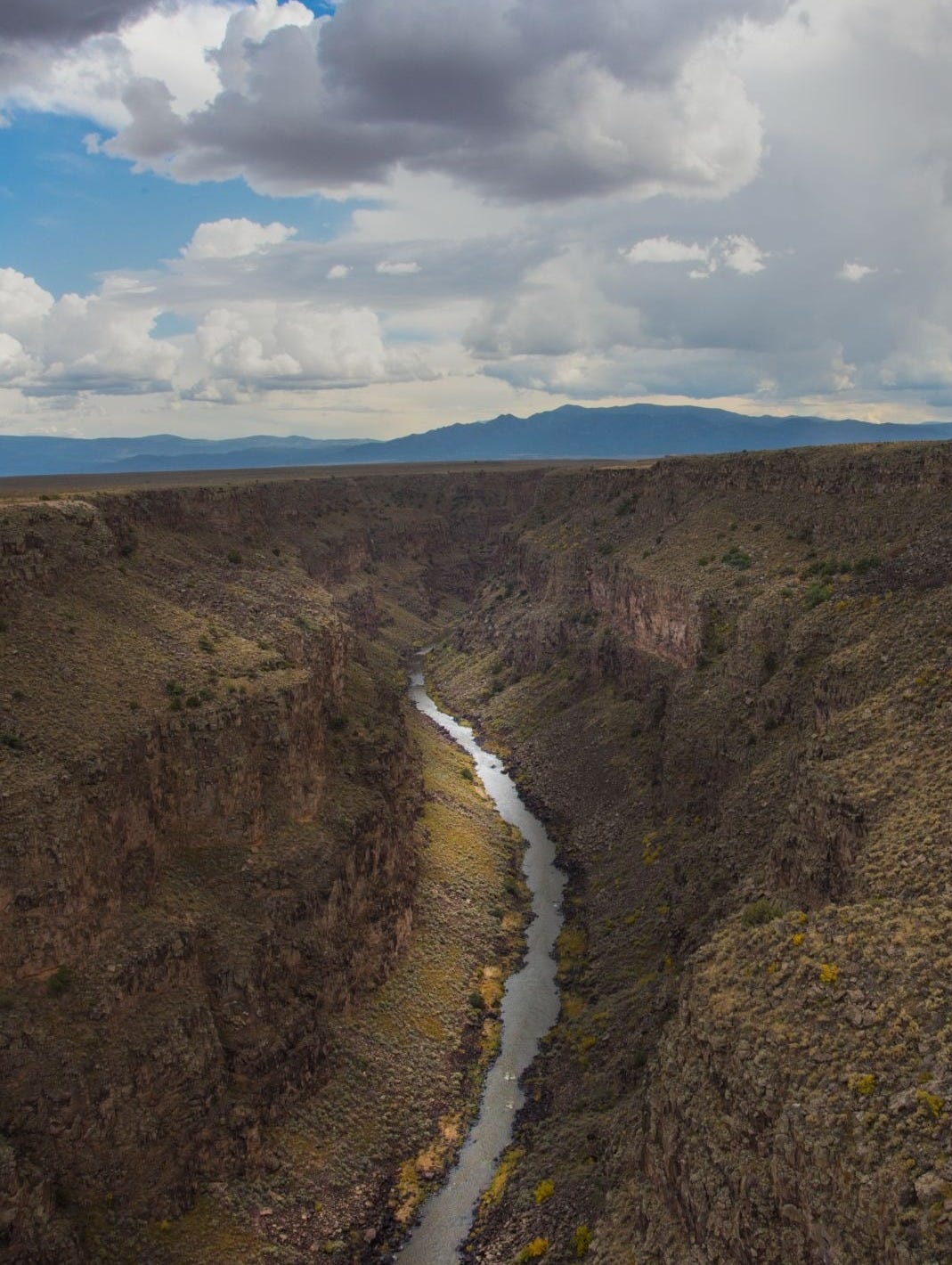
One half of my family didn’t come to the United States, the United States came to them. They followed the Río Bravo del Norte (aka the Rio Grande) out of Nueva España, up the Camino Real, through Paso del Norte, and settled land in what the Spanish called Nuevo México — more than a century before there was a United States of America. They lived on that land the way the land let them: on the water that dripped down off the Rocky Mountains and into the river, on what the river allowed you to grow. It turns out, not a whole lot! In 1848, a line got drawn on a map in a treaty room they weren’t in, and the border simply crossed them where they stood. They didn’t immigrate. They woke up one morning and the country had rearranged itself around their front door. Manifest Destiny.
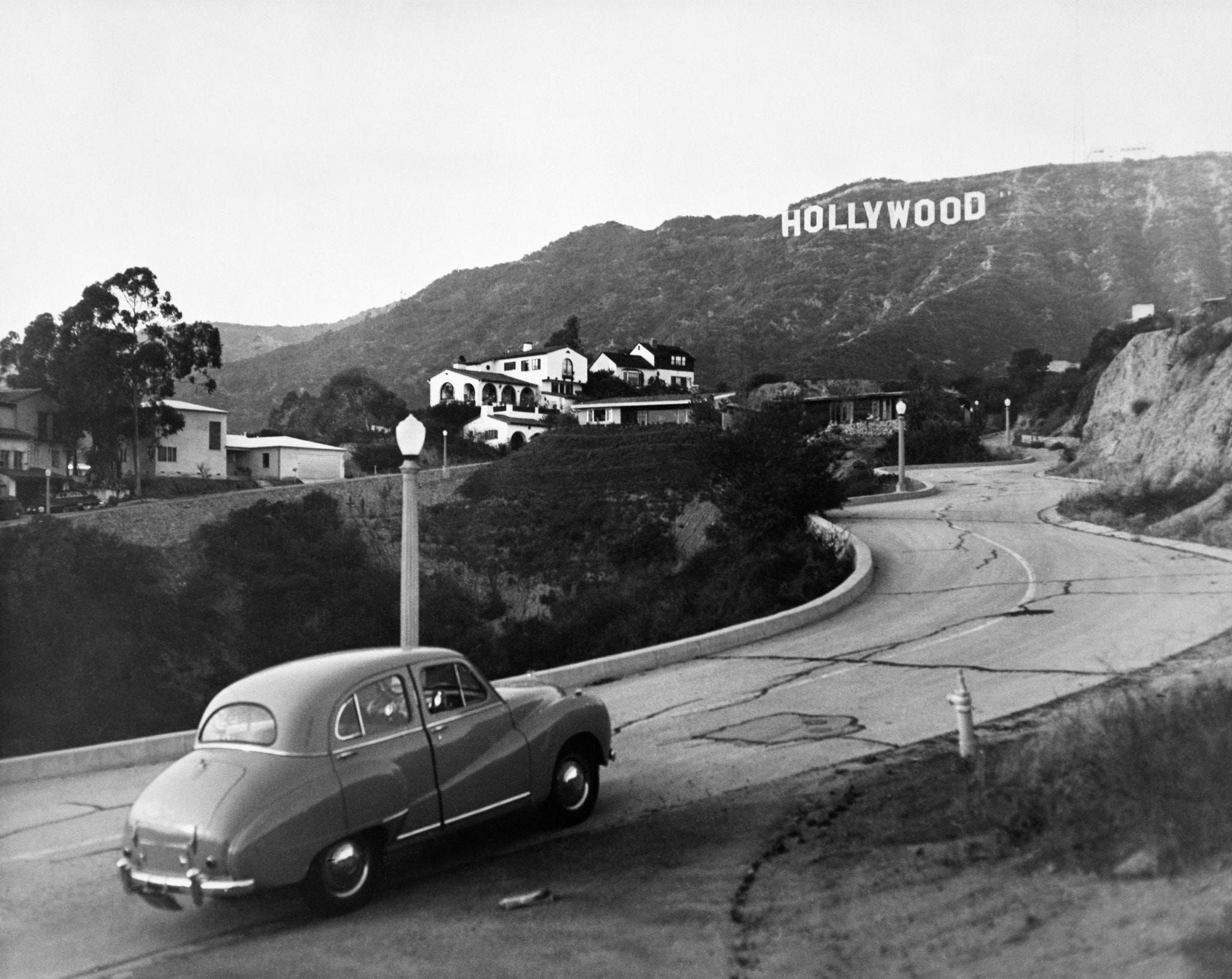
The other half of my family met each other in the middle of a war. My grandparents found each other in Belfast during World War II — working class, Irish and English, the kind of match that nobody in either family was thrilled about at the time. They started a family right after, on the Isle of Man, out in the gray of the Irish Sea. Then an Irish aunt who’d married an American GI wrote home about a place where the sun shined every day, and they followed her across an ocean to it. My mother grew up on Santa Monica Boulevard, just down the hill from the famous Hollywood sign, in the most ordinary version of the immigrant story there is: scrappy, unglamorous, trying every single day to become American, in a town that made becoming someone else its whole business.
So that’s what I am. One side that staked a claim in these lands early in our history and suddenly found itself reclassified by a line on a map. One side that crossed an ocean on purpose, chasing sunlight and a rumor of a better life than post-war Britain. Two different immigration stories with one thing in common — both spent generations proving we belonged to the American project. This isn’t my story, it’s our story. All of us became American one ordinary day at a time.
I won’t pretend our country isn’t fraying at some seams right now. You don’t need me to write that paragraph — you’ve read it three times already today too. But we are also shining. You can see it in the millions of visitors who’ve come to our shores for the World Cup this summer — guests, not threats, sharing a sidewalk and a scoreline with strangers. There is still love out there for what generations of immigrants have built here, since our founding and long before it. I don’t think the fraying and the shining are opposites. I think they’re the same fabric, pulled the way it’s always been pulled, by people still deciding, generation after generation, who gets to stand under the light.
“A shining city on a hill” is an old line, first used in the American context by John Winthrop, one of the founders of the Massachusetts Bay Colony. He borrowed it from Jesus’s Sermon on the Mount for his fellow colonists: “We shall be as a city upon a hill, the eyes of all people are upon us.” It wasn’t a boast — it was a warning that the whole world would be watching this novel experiment. Ronald Reagan later refashioned the line to inspire and embolden a nation after a period of self-doubt. Both uses are relevant for us today. We remain, despite our shortcomings, a beacon for the world — and the world continues to watch us every minute of every day.
I’ll add a third use of the phrase today: if we are a shining city on a hill, who gets to sit under the light? Answering this question isn’t a debate we’re having for the first time. Whether your family crossed a river or an ocean, willingly or unwillingly, or a border crossed you, our story is one of striving to belong and making room for those who come next. I happen to carry two bloodlines that weren’t supposed to end up in the same body, making belonging more complicated but also quintessentially American. But you don’t have to be a coyote to inherit it. It belongs to anyone whose family ever had to prove they belonged here. Which is to say: all of us.
Happy Fourth.
Excellent. This means so much to me on multiple levels.
Well said. That photo your father took of the rio grande was breathtaking.